




Description
In 1997, Bongrae Cho and colleagues used the systematic evolution of ligands by exponential enrichment (SELEX) to isolate high affinity RNA aptamers that bind to the RNA stem-loop. The RNA used for selection was a small stem-loop which was prepared by in vitro transcription[1].
SELEX
In 1997, Bongrae Cho and colleagues used a blocking deoxynucleotide to select against species in the RNA library which bound to the target RNA stem-loop by W-C base pairing. The winning RNA aptamer was identified by affinity chromatography and gel-shift[1].
Structure
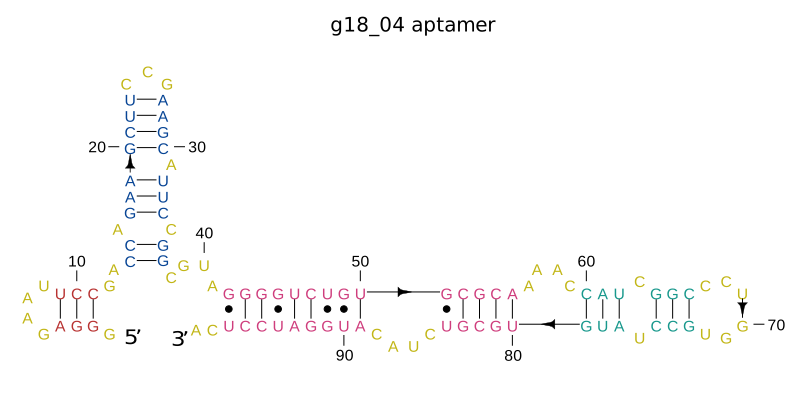
g18_04 aptamer was the aptamer sequence mainly studied in the article, which had a high affinity with RNA stem-loop. The 2D structure of the figure is based on the article by ribodraw tool to draw[1].
5'-GGGAGAAUUCCGACCAGAAGCUUCCGAAGCAUUCCGGCGUAGGGGUCUGUGCGCAAAACCAUCGGCCCUGGUGCCUAUGUGCGUCUACAUGGAUCCUCA-3'
Ligand information
SELEX ligand
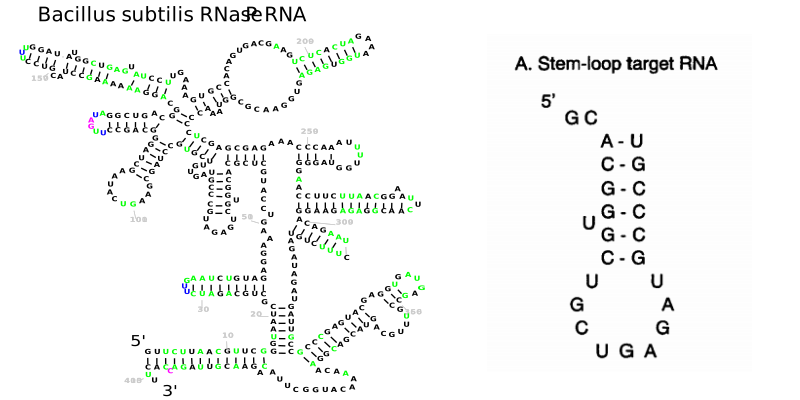
The target stem-loop RNA was designed by the authors themselves. The target stem-loop RNA designed by the author includes the stem sequence is the same as that of Bacillus subtilis RNase P RNA P5.1 domain. Although the stem-loop RNA is 3 nt longer than the latter.
| Name | Gene ID | Pfam | MW | Nucleic acid sequences | PDB |
|---|---|---|---|---|---|
| RNA stem-loop | NA | RF00011 | 105.48 kDa | GCGAGCCUAGCGAAGUCAUAAGCUAGGGCAGUCUUUAGAGGCUGACGGCAGGAAAAAAGCCUACGUCUUCGGAUAUGGCUGAGUAUCCUUGAAAGUGCCACAGUGACGAAGUCUCACUAGAAAUGGUGAGAGUGGAACGCGGUAAACCCCUCGCA | NA |
Some isolated sequences bind to the affinity of the nucleic acid.
| Name | Sequence | Ligand | Affinity |
|---|---|---|---|
| g18_04 | GGGAGAAUUCCGACCAGAAGCUUCCGAAGCAUUCCGGCGUAGGGGUCUGUGCGCAAAACCAUCGGCCCUGGUGCCUAUGUGCGUCUACAUGGAUCCUCA | RNA stem-loop | 70 nM |
| g18_01 | GGGAGAAUUCCGACCAGAAGCUUCCGAAGCAUUCCGGCGUAGGGGUCUGUGCGCAAAACCAUCGUCCCGGGUGCCUAUGUGCGUCUACAUGGAUCCUCA | RNA stem-loop | NA |
| g18_06 | GGGAGAAUUCCGACCAGAAGCUUUUCCUUAGGGGUUCAGUUGUUUCGCGCAUGAACGGCAUCAGUGCACCGUGCCUAUGUGCGUCUACAUGGAUCCUCA | RNA stem-loop | NA |
| g18_09 | GGGAGAAUUCCGACCAGAAGCUUAGUUGAUCGAGCGUGUUAGUUCUCCAAUCUCUGUGUAGCGUGGAGCUGGGCCUAUGUGCGUCUACAUGGAUCCUCA | RNA stem-loop | NA |
| g18_10 | GGGAGAAUUCCGACCAGAAGCUUCCGAAGCAUUCCGGCGUAGGUGUCUGUGCGCAAAACCAUCGGCCCGGGUGCCUAUGUGCGUCUACAUGGAUCCUCA | RNA stem-loop | NA |
| g18_11 | GGGAGAAUUCCGACCAGAAGCUUCCGAAGCAUUCCGGCGUAGGGGUCUGUGCGCAAAACCAUCGGCCCGGGUGCCUAUGUGCGUCUACAUGGAUCCUCA | RNA stem-loop | NA |
| g18_12 | GGGAGAAUUCCGACCAGAAGCUUCCGAAGCAUUCCGGCGUAGGUGUCUGUGCGCAAAACCAUAGGCCCGGGUGCCUAUGUGCGUCUACAUGGAUCCUCA | RNA stem-loop | NA |
| g12_03 | GGGAGAAUUCCGACCAGAAGCUUCCGAAGCAUUCCGGCGUAGGGGUCUGUGCGCAAAACUAUCGGCCCGGGUGCCUAUGUGCGUCUACAUGGAUCCUCA | RNA stem-loop | NA |
Similar compound
Researchers generate a mapping between European Nucleotide Archive (ENA), Protein Data Bank (PDB) and Rfam coordinate systems for those sequences which have a structure in the PDB. The ENA provides a comprehensive record of the world’s nucleotide sequencing information, covering raw sequencing data, sequence assembly information and functional annotation. Bit score is a relative score used to measure the similarity of a sequence alignment. It is calculated based on a comparison between the score of the alignment sequence and the expected score of the random model. A higher Bit score means that the comparison results are more similar and likely to be more reliable. The list of neighbours is sorted by Bit score.
| PDB | PDB Residues | Bit score |
|---|---|---|
| 2A64-A | 8-404 | 326.8 |
| 3DHS-A | 8-255 | 181.4 |
| 1NBS-A | 1-154 | 145.9 |
| 1NBS-B | 1-154 | 145.9 |
References
[1] Interacting RNA species identified by combinatorial selection.Cho, B., Taylor, D. C., Nicholas, H. B., Jr, & Schmidt, F. J.
Bioorganic & medicinal chemistry, 5(6), 1107–1113. (1997)